Real estate has its own cinematic universe. There are heroes, villains, plot twists, and one pervasive case of mistaken identity.
A home safety inspection and a home appraisal often get lumped together, but they play entirely different roles. Mixing them up can cost you leverage, money, and peace of mind at the closing table.
Understanding the difference provides clarity in the home-buying process and helps you avoid relying on the wrong report at the wrong time.
If you want informed decisions instead of expensive surprises, this distinction matters.
Key Takeaways
A home inspection evaluates the physical condition and safety of the home.
A home appraisal determines fair market value based on comparable sales.
Understanding both helps you negotiate repairs and protect loan approval.
Home Inspection
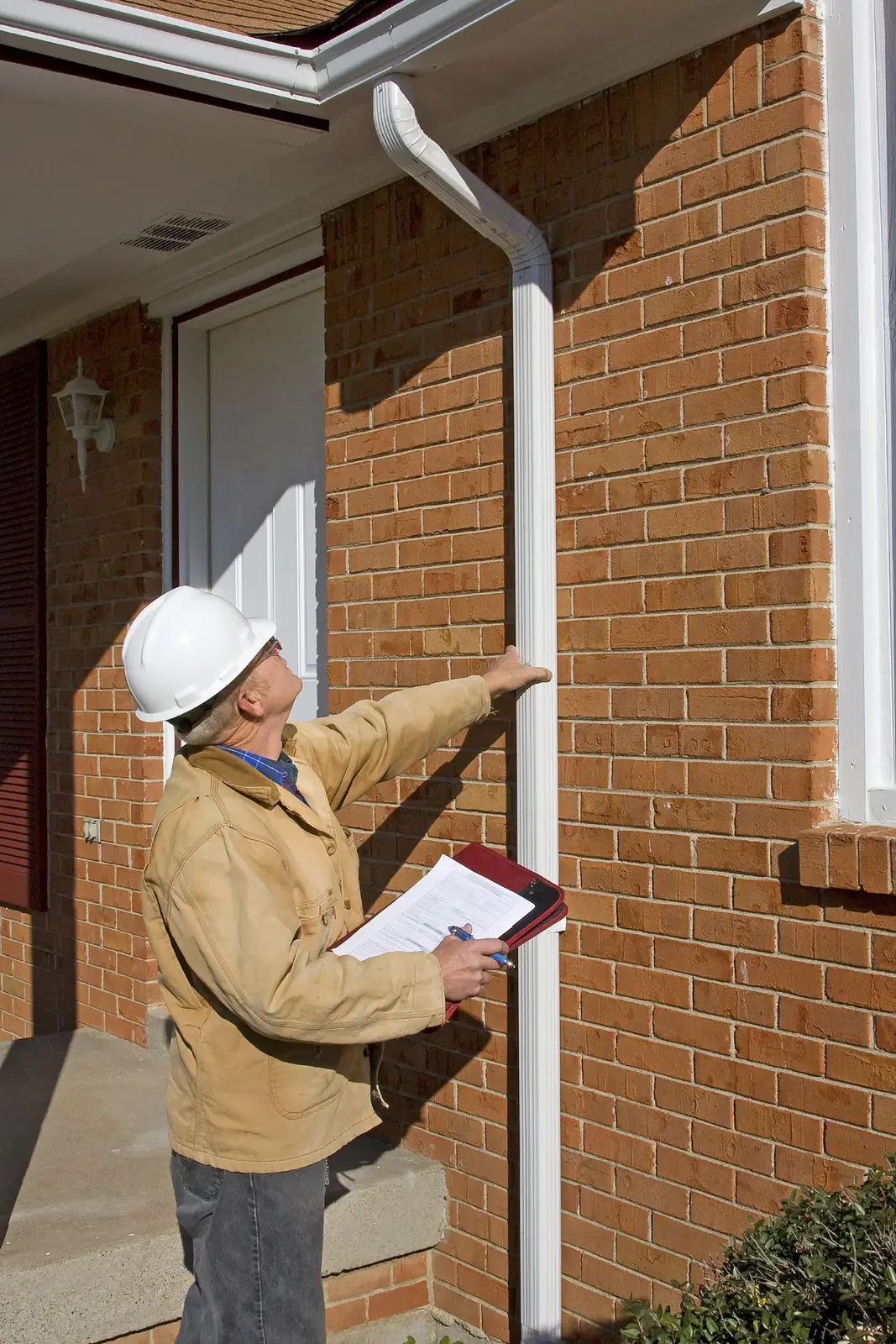
A home inspection primarily focuses on the physical condition of the home. A licensed home inspector conducts a thorough examination of the visible and accessible areas of the property.
You use a home inspection to identify safety hazards, structural issues, and potential problems before committing to repairs or purchase terms. It includes a walk-through of the home's interior, exterior, roof, and visible systems. Inspectors do not determine market value. Their role is purely evaluative and protective.
The inspection results highlight underlying issues, such as structural problems, electrical risks, or aging systems. These findings affect repair costs and habitability. You use inspection results to negotiate repairs or reconsider the purchase.
A few major points of home inspections:
Home Inspector
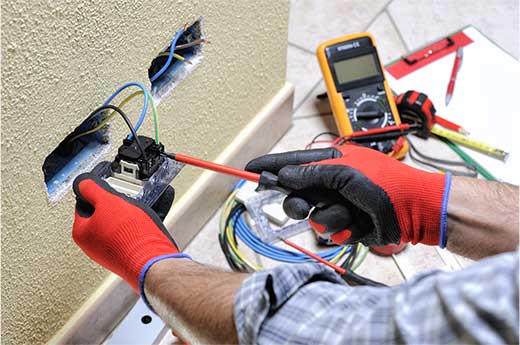
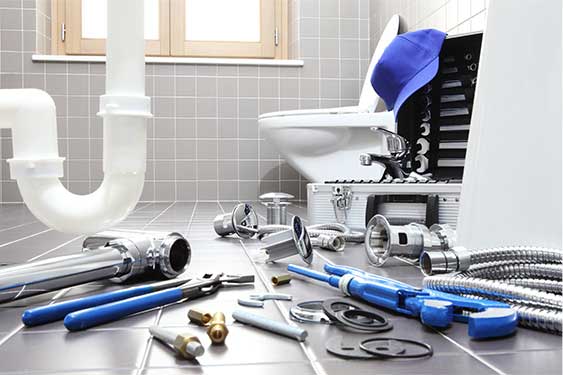
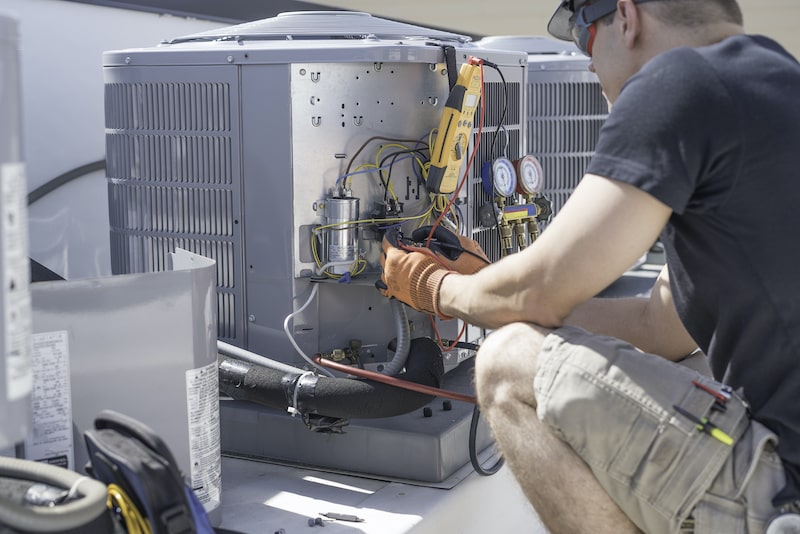
The home inspector's job centers on safety and function. A licensed home inspector evaluates the home's major systems, including electrical, air conditioning, and plumbing systems. You receive a written inspection report outlining safety concerns and necessary repairs.
The Home's Major Systems
Home's major systems include HVAC, electrical, plumbing, and roofing. Inspectors assess these for safety and functionality. Failures in these systems often result in costly repairs.
Negotiating Repairs
You can negotiate repairs based on the inspection report. Safety issues and necessary repairs often justify price adjustments. Appraisals do not provide leverage for repair negotiations.
Safety Hazards and Safety Issues
Safety hazards include faulty wiring, mold risks, and structural instability. Safety issues affect habitability and liability. Inspections identify these risks before ownership transfers.
Home Appraisal
A home appraisal focuses on value, not condition. A licensed appraiser estimates the property's fair market value based on data and market trends. The appraisal ensures the loan amount aligns with the value of a home and protects the lender.
Lenders require appraisals to confirm that the agreed-upon sales price matches the market value. If the appraisal comes in low, financing may change. This step directly affects loan approval and closing timelines.
Appraisals serve the mortgage process by verifying fair market value. The appraisal report primarily focuses on the property's size, square footage, location, and recent sales. Condition matters only if it has a significant impact on value.
A few key points of a home appraisal:
Appraisal Report
An appraisal report provides a professional opinion of value. It includes comparable sales, market trends, property size, and location. The report supports the loan and protects the lender from overvaluation.
Comparable Sales
Comparable sales play a central role in appraisals. The appraiser reviews similar homes sold recently in the exact location. These comparable properties help determine a fair price based on current market conditions.
Mortgage Process
The mortgage process relies heavily on the appraisal. If the assessment does not support the sales price, financing adjustments follow. Inspections do not directly influence loan approval.
Fair Market Value Explained
Fair market value reflects what buyers pay for similar homes under normal conditions. Appraisers analyze recent sales and comparable properties to determine their value. This valuation protects all parties from inflated pricing.
Appraisal vs Inspection
Appraisal and inspection serve different purposes but complement each other. One assesses value, the other assesses condition. You need both to gain a clear understanding of risk, cost, and opportunity.
The appraisal vs inspection debate often confuses buyers. An appraisal protects the mortgage lender, while an inspection protects you. Skipping one increases financial and legal risk.
The key differences between inspections and appraisals include scope, purpose, and outcome. Inspections identify problems. Appraisals confirm value. You should never treat them as if they were interchangeable.
Both inspections and appraisals involve three key parties: the buyer, the lender, and the real estate professionals. Each relies on different data. Understanding these roles helps you manage expectations and navigate negotiations effectively.
Detailed Report Differences
An inspection report provides an in-depth and detailed examination of the condition. An appraisal report offers valuation data. Each serves a different but equally important purpose.
Both processes deliver a written report: one details the condition, the other details the valuation. You should review both carefully before making a decision.
Structural Issues
Structural issues, such as foundation cracks, affect safety and property value. Inspectors identify them, and appraisers consider their impact on price. Early discovery prevents costly mistakes.
Buyer Perspective
As a buyer and investor, you rely on inspections to avoid surprise repairs. Appraisals confirm you are not overpaying. Both protect your capital.
Both inspections and appraisals provide professional assessment, but with different lenses. One evaluates the condition, the other evaluates the value. You need both perspectives to make informed decisions.
Major Differences Recap
Major differences include:
The inspector evaluates the condition
Appraiser evaluates value
Inspection is strongly recommended
Appraisal is lender-required
Skipping either weakens your position.
Real estate success depends on clarity. Confusing inspection and appraisal leads to missteps and delays. A clear understanding strengthens negotiations.
At the closing table, informed buyers move confidently. You understand the home's condition and its fair price. That confidence protects your investment.
Frequently Asked Questions
Can an appraisal replace a home inspection?
No. An appraisal does not evaluate safety issues or the home's physical condition.
Who chooses the appraiser?
The mortgage lender selects the licensed appraiser to ensure independence.
Should investors still get inspections on cash purchases?
Yes. Inspections uncover underlying issues regardless of financing.
Turn Knowledge Into Smarter Property Decisions
Savvy investors do not guess; they verify. Understanding the differences between a home safety inspection, an appraisal, and a home evaluation helps you stay in control of risk, repairs, and long-term value.
While an assessment focuses on a home's features and market worth, a safety inspection examines the systems and conditions that impact livability and liability.
Powerhouse Home Services supports this process with professional inspections, electrical assessments, and generator services that reveal what truly matters behind the walls. With expert guidance interpreting reports and coordinating next steps, you gain clarity, confidence, and fewer costly surprises long after closing.
Other Resources:
Top Sewer Issues in Naples That Could Upset Your Tenants—and How to Avoid Them
When Is It Time to Upgrade? Signs You Need Repiping Services in Naples