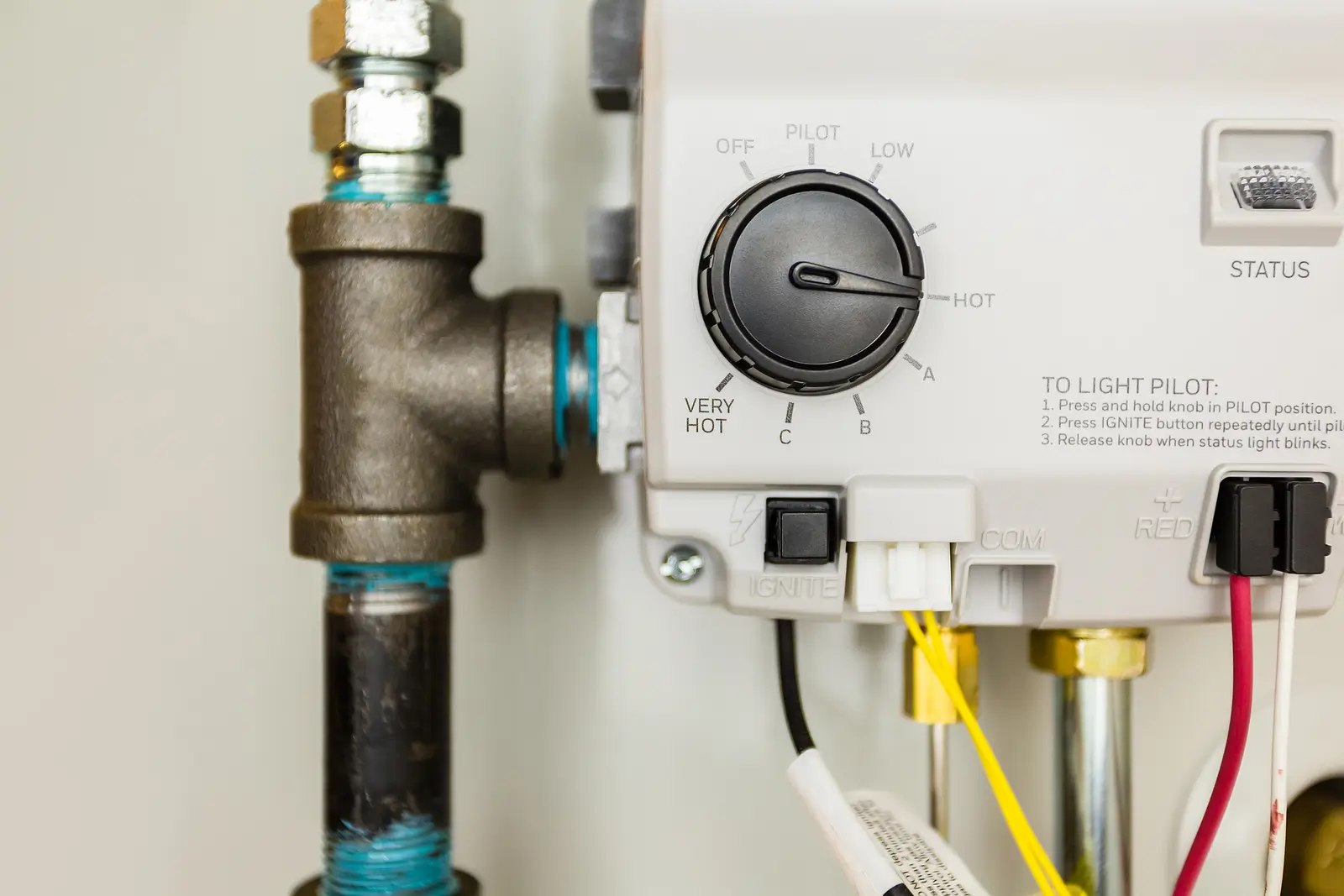
Gas lines have an interesting relationship with your money.
When they behave, they barely show up on your budget. When they don’t, they demand attention, urgency, and a line item you did not plan for this quarter.
As a landlord, gas line repair is never just a fix. It is a decision that simultaneously affects safety, compliance, and cash flow.
In 2026, understanding gas line repair costs for rental properties means knowing how minor issues can escalate into large invoices and how planning helps keep those numbers predictable.
This blog breaks down the factors that affect your gas line repair cost, when repair still makes financial sense, and when replacement offers better protection for your investment than a temporary fix.
Key Takeaways
Gas line repair costs rise quickly when issues go unaddressed
Safety and compliance make gas line repairs non-negotiable for landlords
Proactive planning reduces emergency expenses and liability
Why Gas Line Repair Costs Matter for Landlords
Gas line issues do not announce themselves politely. When a problem arises, you face immediate safety concerns, potential legal exposure, and unexpected expenses. Landlord gas line repair costs carry far more weight than routine maintenance because they directly affect tenant safety.
In 2026, rising labor rates, aging infrastructure, and stricter compliance standards make gas line repair cost planning essential for every rental owner.
What Gas Line Repair for Rental Properties Involves
Gas line repair for rental properties covers more than patching a leak. It includes inspection, pressure testing, component replacement, and system verification to ensure compliance with safety codes and regulations.
Residential gas line repair also requires permits and the services of licensed professionals, mainly when tenants are occupying the property.
Gas Line Repair vs Gas Line Replacement: Key Differences
Gas line repair addresses localized damage, such as leaks or corroded sections. Gas line replacement involves removing and reinstalling entire segments or systems.
Gas line replacement may be more expensive upfront, but it can reduce long-term risks when lines exhibit widespread deterioration.
Common Reasons Rental Properties Need Gas Line Repair
Age remains the leading cause. Older rental properties often rely on materials no longer considered optimal for modern use.
Soil movement, corrosion, improper past installations, and accidental damage also contribute to the need for gas line repairs.
Signs a Rental Property May Need Gas Line Repair
Early detection protects lives and budgets. Warning signs often appear before full failure occurs.
You should act immediately if you notice:
Persistent gas odors
Unexplained increases in gas bills
Pilot lights are frequently going out
Visible corrosion or damage near piping
Ignoring these signs increases the scope and cost of repairs.
Understanding Gas Line Repair Cost 2026
The gas line repair cost in 2026 reflects increased material prices, demand for skilled labor, and compliance requirements. Costs vary widely based on complexity and accessibility.
Rental property gas line repair typically costs more than owner-occupied repairs due to scheduling, permitting, and safety protocols.
Factors That Influence Gas Line Repair Costs
Labor rates, pipe material, location, and system length all affect pricing. Access difficulty plays a significant role.
Underground gas line repair and multi-unit systems drive higher landlord gas line repair costs than exposed or isolated lines.
Gas Line Repair Cost Per Foot Explained
Many contractors estimate costs per foot, especially for replacements or long sections. Pricing increases with depth, obstacles, and surface restoration.
This method helps you forecast gas line replacement costs more accurately during budgeting.
Natural Gas Line Repair Safety Considerations
Natural gas line repair demands strict safety controls. Gas leaks present immediate fire and explosion risks.
Licensed professionals follow testing, ventilation, and shutoff procedures to protect tenants and property.
Underground Gas Line Repair and Its Cost Impact
Underground gas line repair involves additional expenses for excavation, backfilling, and surface restoration. Landscaping, concrete, or pavement removal increases the total cost.
These projects also require permits and inspections, which extend timelines and increase expenses.
Gas Piping Repair Inside Rental Properties
Gas piping repair inside walls or ceilings introduces access challenges. Opening finished surfaces increases labor and restoration costs.
Careful planning minimizes tenant disruption and repair time.
Landlord Responsibilities for Rental Property Gas Line Repair
As a landlord, you hold responsibility for maintaining safe gas systems. Delayed repairs expose you to liability and potential legal action.
Gas line repair for rental property is not optional when safety concerns arise.
Gas Line Maintenance as a Cost-Control Strategy
Gas line maintenance includes periodic inspections and pressure testing to ensure the system's integrity. Preventive care identifies minor issues before they become significant problems.
Maintenance costs remain far lower than emergency repair expenses.
Repair or Replace: Making the Right Financial Decision
Short-term repairs may seem attractive, but repeated fixes increase lifetime costs. Replacement often delivers better long-term value.
Evaluating repair history, system age, and plans helps guide the decision.
Emergency Gas Line Repair and Unexpected Costs
Emergency gas line repair commands premium pricing. After-hours labor and urgent safety measures increase expenses.
Emergencies also disrupt tenants and rental income, compounding financial impact.
How Professional Gas Line Repair Protects Rental Properties
Professional residential gas line repair ensures compliance, documentation, and proper testing. These safeguards protect you during inspections and disputes.
Professionals also help you plan upgrades strategically rather than reactively.
Planning for Gas Line Safety and Stability
Gas lines do not fail on a convenient schedule. When you understand gas line repair costs and responsibilities, you control outcomes instead of reacting to crises.
Smart landlords plan inspections, budget for repairs, and work with trusted professionals to reduce risk.
FAQs
Q1. Does landlord insurance cover the repair of a gas line?
Coverage varies. Many policies exclude wear-related repairs but may cover damage caused by sudden incidents.
Q2. How long does gas line repair usually take?
Simple repairs may take a few hours, while replacements can take several days, depending on the permits and excavation requirements.
Q3. Can tenants remain in the unit while repairs are being made?
Minor repairs may allow occupancy, but significant gas line work often necessitates a temporary vacancy for safety reasons.
Turning Gas Line Repair Costs Into a Safer Investment Strategy
Gas line repair costs will always be part of rental ownership, but surprises do not have to be. With the right expertise, you can proactively manage repairs, protect tenant safety, and preserve property value.
By working with Powerhouse Home Services, you gain clarity, compliance, and confidence. When safety, cost control, and long-term planning matter, expert gas line services help turn a necessary expense into a wise investment decision.
Other Resources:
How to Install EV Charging in Your Naples Home
Property Owner's Guide to Residential Propane Inspections in Naples